



Introduction
This bathroom vanity OEM sourcing guide will walk you through — especially when you’re navigating different time zones, language barriers, and unfamiliar quality standards.
For wholesalers, contractors, and project buyers, the stakes are high. A wrong decision means delayed projects, unhappy clients, and lost revenue.
So how do you separate reliable manufacturers from the rest?
This guide walks you through the entire OEM/ODM sourcing process — from the very first inquiry to the final delivery. Whether you’re sourcing your first container or your hundredth, these practical steps will help you make smarter decisions and build partnerships that last.
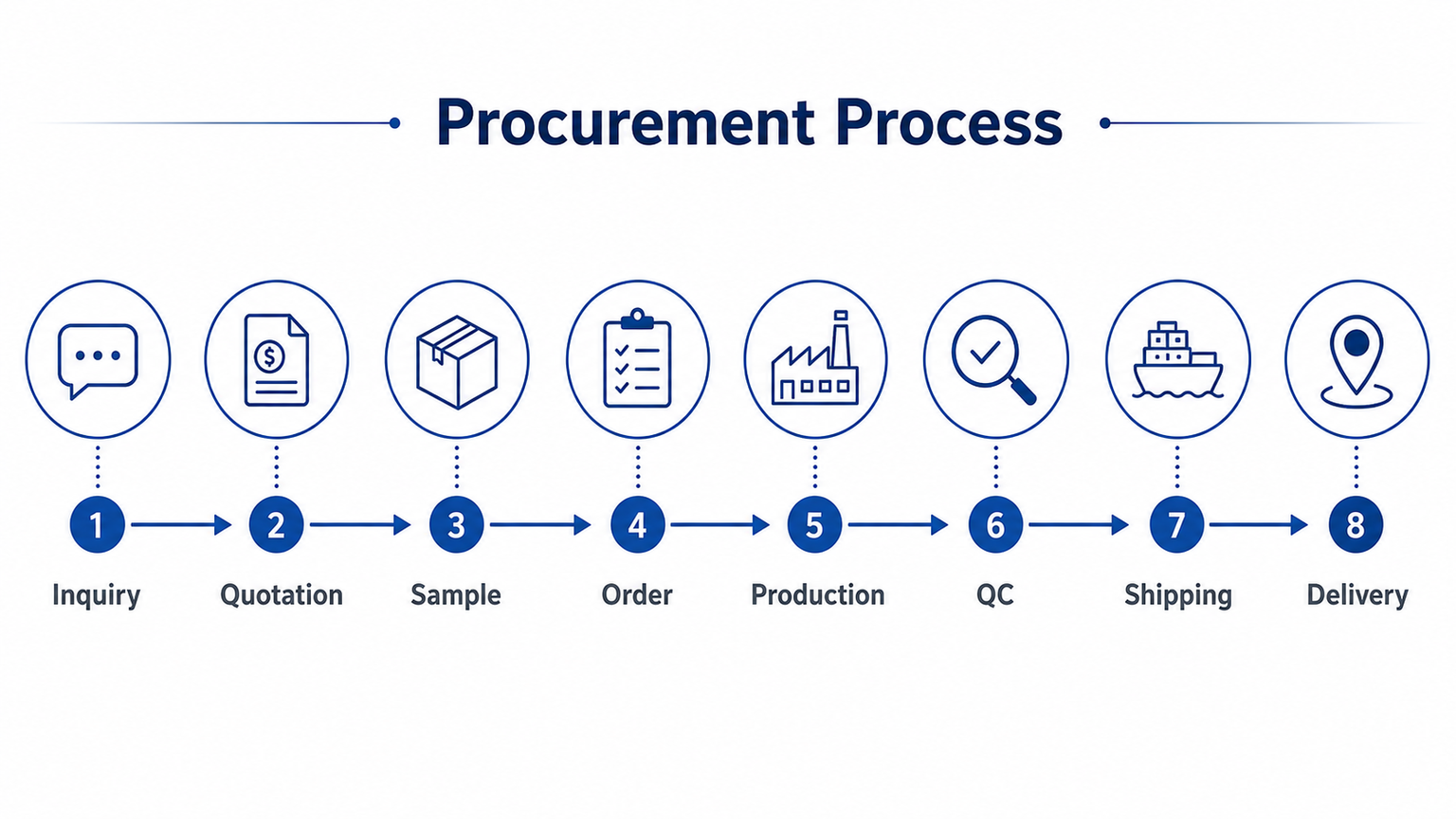
Step 1: Define Your Requirements Clearly
Before you reach out to any supplier, get crystal clear on what you need.
Key questions to ask yourself:
- What are the exact dimensions, materials, and finishes required for your project?
- Do you need custom sizes, colors, or branding (logo printing)?
- What is your target price range and order quantity?
- What certifications or test reports do you require (e.g., CARB, CE, SGS)?
- What is your preferred shipping term (FOB, CIF, EXW)?
Pro tip: Create a detailed product specification sheet before contacting suppliers. Include drawings, photos, or reference links when possible. The clearer your requirements, the more accurate and comparable the quotes you’ll receive.
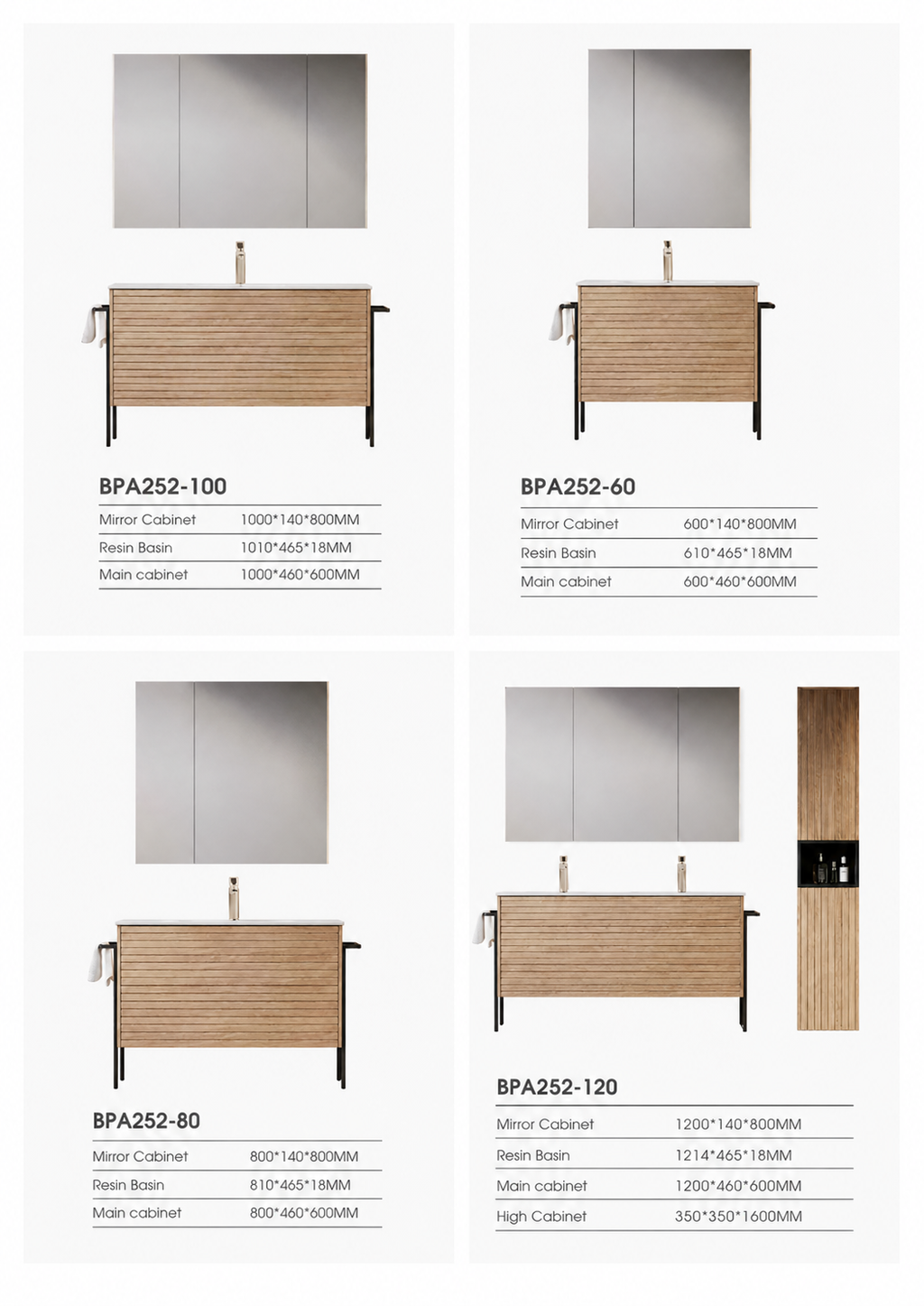
Step 2: Find and Qualify the Right Suppliers
Finding potential suppliers is the easy part — qualifying them is where the real work begins.
Where to look:
- B2B platforms (such as Alibaba, Global Sources, or Made-in-China)
- Industry trade shows (such as KBIS, Canton Fair, or ISH)
- Referrals from industry peers and professional networks
- Google searches using keywords like “bathroom vanity manufacturer China”
How to qualify a supplier:
- Check their business license and certifications — Ask for their business registration and any industry certifications (such as ISO9001).
- Request samples — Order product samples (not just photos) to evaluate quality firsthand. This is non-negotiable.
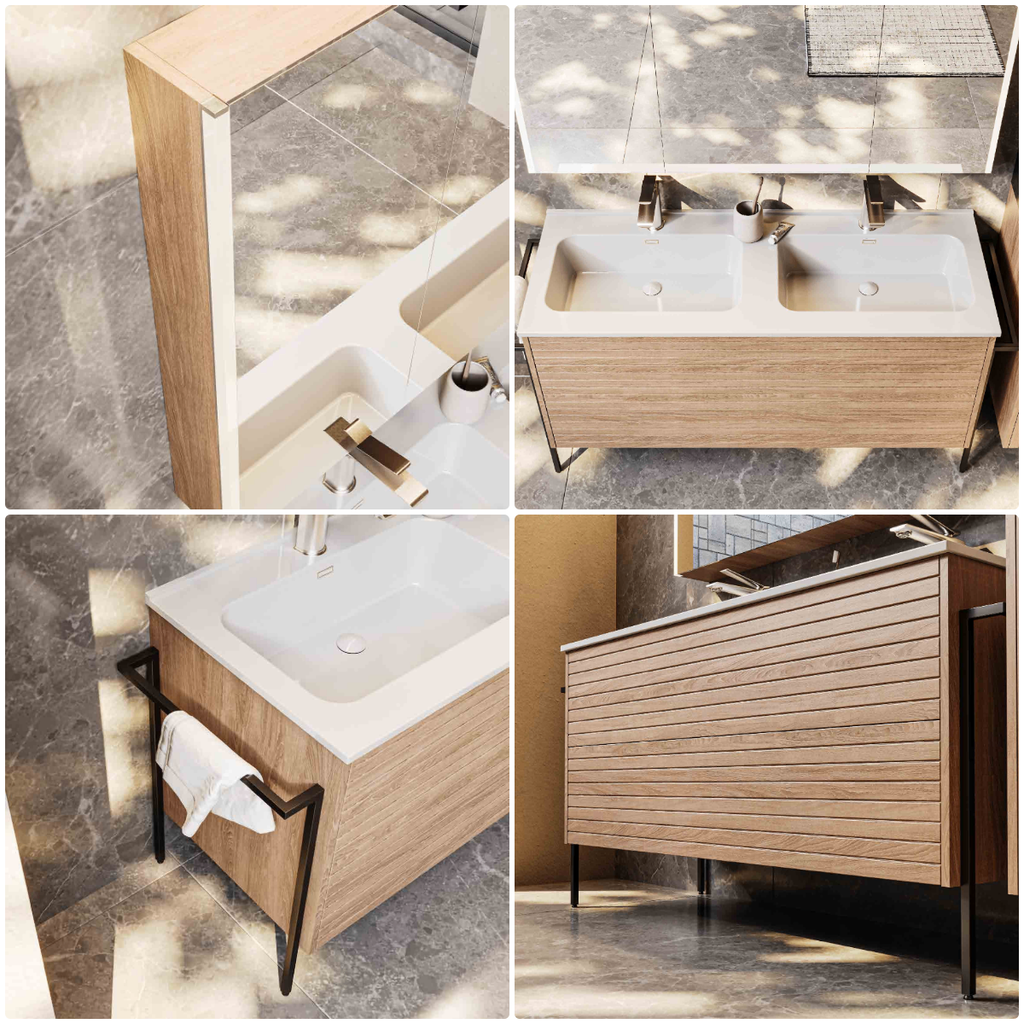
Visit the factory or request a virtual tour — If travel isn’t possible, ask for a live video walk-through of their production facility.
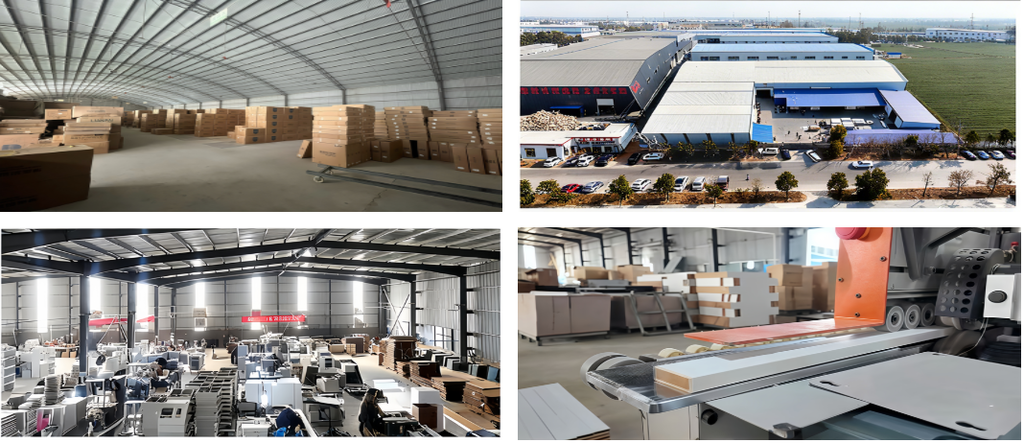
- Check their export experience — Ask for proof of past exports (such as bills of lading) and client references you can verify.
- Evaluate communication — Are they responsive, clear, and transparent in their communication? This often reflects their overall professionalism.
Step 3: Request Detailed Quotes and Compare
Once you’ve shortlisted a few suppliers, request detailed written quotes.
Your quote request should include:
- Product specifications (drawings, dimensions, materials, finishes)
- Order quantity (and the option for a trial order)
- Packaging requirements (export cartons, pallets, or custom packaging)
- Shipping terms (FOB, CIF, EXW, etc.)
- Payment terms (such as 30% deposit, 70% balance)
- Lead time expectations
When comparing quotes, don’t just look at the unit price.
Consider the full picture:
| Evaluation Factor | What to Look For |
|---|---|
| Unit Price | Competitive but not unusually low |
| MOQ (Minimum Order Quantity) | Matches your needs — too high may strain your cash flow |
| Lead Time | Realistic and achievable; check for peak season impact |
| Payment Terms | Flexible options (such as T/T, L/C) for your comfort |
| Sample Cost | Willing to absorb sample cost or offer sample rebate |
| After-Sales Support | Clear policy on quality issues and returns |
A slightly higher price from a reliable supplier often saves you money in the long run — fewer quality issues, fewer delays, and fewer headaches. This is the hidden cost of choosing the lowest bidder that many buyers overlook.
Step 4: Master Quality Control
What a responsible manufacturer should do:
- Follow a complete QC process — from raw material inspection to finished product inspection
- Conduct random sampling tests on each production batch to ensure consistency
- Use standardized testing tools and documented procedures rather than relying on manual experience
- Provide third-party inspection reports (such as SGS, TÜV, or BV) upon request
Questions to ask your supplier:
- What is your quality control process? Do you have ISO certification?
- How do you ensure consistency between the sample and bulk production?
- What is your procedure if quality issues are found?
- Do you allow third-party inspections before shipment?
Recommended practice: Always request pre-shipment inspection by a third-party agency (like SGS or Bureau Veritas) for your first few orders. It’s a small investment that gives you peace of mind and sets clear expectations with your supplier about the quality standards you demand.
The goal is not perfection at every step — it’s consistency. A supplier that delivers the same quality every single time is worth more than one that occasionally gives you a perfect product but frequently falls short.
Step 5: Understand Customization Options
For many wholesalers, the ability to customize is what separates a good supplier from a great partner.
What a capable OEM/ODM manufacturer should offer:
- Size customization — Non-standard sizes tailored to your project
- Color and finish customization — Matching your brand’s color palette or specific color swatches
- Material options — Various wood types, countertop materials, and finishes to suit different markets
- Logo and branding — Your brand name printed on products, packaging, or both
- Packaging customization — Custom-designed packaging, labels, and instruction manuals
Questions to ask when evaluating customization capabilities:
- What is the minimum order quantity for custom products?
- Can you provide 3D renderings or design proofs for approval before production?
- What is the cost structure and lead time for custom orders?
- Do you charge extra for logo printing or custom packaging?
- Can you handle both OEM (based on your design) and ODM (based on your concept or our existing designs)?
A supplier with strong customization capabilities gives you a competitive edge in your local market. The ability to offer unique products that aren’t available to every other competitor is a powerful differentiator that can justify premium pricing and build customer loyalty.
Step 6: Secure Reliable Lead Times and Supply Chain
Lead time stability directly affects your project schedules and customer satisfaction. A manufacturer with a strong supply chain and realistic lead time commitments is worth its weight in gold.
What you need to know:
- Standard lead time — How long from order confirmation to ready-for-shipment?
- Peak season impact — Will lead times extend during busy seasons (such as around Chinese New Year)?
- Supply chain transparency — Are core raw materials sourced from stable, reliable suppliers?
- Contingency planning — What happens if there’s an unexpected disruption?
Questions to confirm before placing an order:
- Do you have a clear production scheduling system?
- Can you provide regular production updates (such as photos or videos)?
- Do you offer expedited services for urgent orders?
- How do you communicate delays or issues during production?
Proactive communication is key. A supplier who alerts you early about potential delays is far more valuable than one who stays silent and delivers late. A good rule of thumb: when evaluating suppliers, test their communication during the inquiry phase — if they’re slow to respond before they have your money, they’ll be even slower after.
Step 7: Master Packaging and Shipping
A responsible manufacturer should offer:
- Reinforced export-standard packaging — such as plywood cases or heavy-duty honeycomb cartons
- Extra protection for fragile parts — mirrors and countertops wrapped in foam, corner guards, and additional cushioning
- Clear handling instructions — “Fragile”, “Keep Dry”, and “This Side Up” markings on every carton
- Professional container loading guidance — ensuring proper weight distribution and cargo stability to minimize movement during transit
- Assistance with shipping insurance — guidance on what coverage to purchase for your specific cargo
Packaging and shipping questions to ask:
- What is your standard packaging specification? Do you have documented standards?
- Can you provide packaging test reports or drop test reports?
- Do you offer custom packaging design services?
- Can you assist with consolidating multiple orders into one container?
- Do you provide container loading photos or videos for documentation?
Don’t treat packaging as an afterthought. Investing in better packaging often costs a few dollars more per unit but can save you hundreds in damages — not to mention protecting your client relationships. Remember: a client’s first impression of your product is often the box it arrives in.
Step 8: Plan for After-Sales Support
What to expect from a trustworthy supplier:
- Clear quality guarantee or warranty policy (what’s covered, how long, how to claim)
- Responsive after-sales communication — timely answers to your questions
- Replacement or compensation process for damaged or defective products
- Technical support for product installation or usage questions
- Continuous product improvement — sharing feedback from your market to improve future products
Questions to ask about after-sales support:
- What is your product warranty period and coverage?
- What is your process for handling customer complaints or quality claims?
- How quickly can you respond to after-sales inquiries?
- Do you provide technical documentation or installation guides?
- How do you collect and act on customer feedback?
The best suppliers see your success as their success. They’re not just selling products — they’re building partnerships. Look for suppliers who are willing to grow with you and adapt to your changing needs as you scale your business.
Conclusion: Finding the Right Partner
Sourcing bathroom vanities from overseas doesn’t have to be a gamble. By following this guide and evaluating suppliers across these seven key areas — requirements definition, supplier qualification, quotes and pricing, quality control, customization, lead times and supply chain, packaging and shipping, and after-sales support — you can significantly reduce your risk and build a profitable, long-term partnership.
The right manufacturer is more than a supplier. They are an extension of your business, a partner who helps you deliver quality to your clients and grow your brand.
Ready to start your next project?
Contact us today to request:
- Free product samples or catalogs
- Customized solutions for your specific project requirements
- Professional technical support and design advice
📧 WhatsApp: +86 19379358017
📞 Phone: +86 18818775396
🌐 Website: https://haizhuosibathroomvanity.com
Let’s make your designs a reality — from inquiry to delivery, we’re here to help.